

The Ultimate Guide to Private Label Supplement Manufacturing: Everything You Need to Succeed

Systematic Overview of the Private Label Material Ecosystem
In the contemporary nutraceutical landscape, the transition from conceptual formulation to tangible market presence necessitates a methodical examination of the manufacturing infrastructure. Private label supplement manufacturing represents a specialized operational model wherein a business utilizes pre-existing, validated formulations developed by a manufacturing partner. This paradigm allows for the rapid deployment of products under a proprietary brand identity, bypassing the exhaustive research and development (R&D) cycles associated with custom formulations.
The primary objective of this guide is to provide an analytical framework for stakeholders navigating the complexities of the manufacturing sector. By examining precise temporal data and currency valuations, this document serves as a technical resource for establishing a robust brand infrastructure within the global health and wellness market.
Strategic Classification: White Label vs. Custom Synthesis
Operational maturity requires an understanding of the hierarchical escalation between different manufacturing models. The selection of a specific model dictates the capital expenditure and the duration of the development lifecycle.
- White Label Execution: This model offers the most accelerated route to market entry. It utilizes stock formulations that have already undergone stability testing and regulatory verification. The implementation timeframe typically ranges from 28 to 56 calendar days (4 to 8 weeks).
- Private Label Customization: While often grouped with white label, true private label manufacturing allows for minor modifications to the material ecosystem, such as adjustments to flavor profiles or specific non-active additives.
- Custom Formulation Synthesis: This process involves a comprehensive “Idea to Shelf” journey, requiring original R&D, stability testing, and pilot batch validation. The duration for a first-time custom production run is statistically documented at 14 to 18 weeks, reflecting a significant temporal investment.
Prior verification of a manufacturer’s capacity to handle these distinct models is recommended to ensure alignment with organizational growth trajectories. Detailed examinations of previous successful implementations can be reviewed through SolisLabs Case Studies.
Quantitative Analysis of Production Costs and Economic Variables
Economic viability is determined by an objective evaluation of cost drivers. The following data points represent the current market environment as of 2026, where currency amounts are subject to fluctuation based on raw material availability and global supply chain stability.
Unit Cost Breakdown by Delivery Mechanism
The fiscal requirements for manufacturing vary based on the technical complexity of the delivery system. The following unit prices reflect standard industry averages for orders meeting minimum volume requirements:
Minimum Order Quantity (MOQ) Requirements
Manufacturing efficiency is governed by the “Minimum Order Quantity” (MOQ). For standard private label products, MOQs typically range from 250 to 5,000 units. However, advanced liquid formulations or high-complexity custom blends may require a hierarchical escalation of MOQs, often exceeding 2,500 units, due to the extensive cleanup and calibration protocols required for specialized machinery.
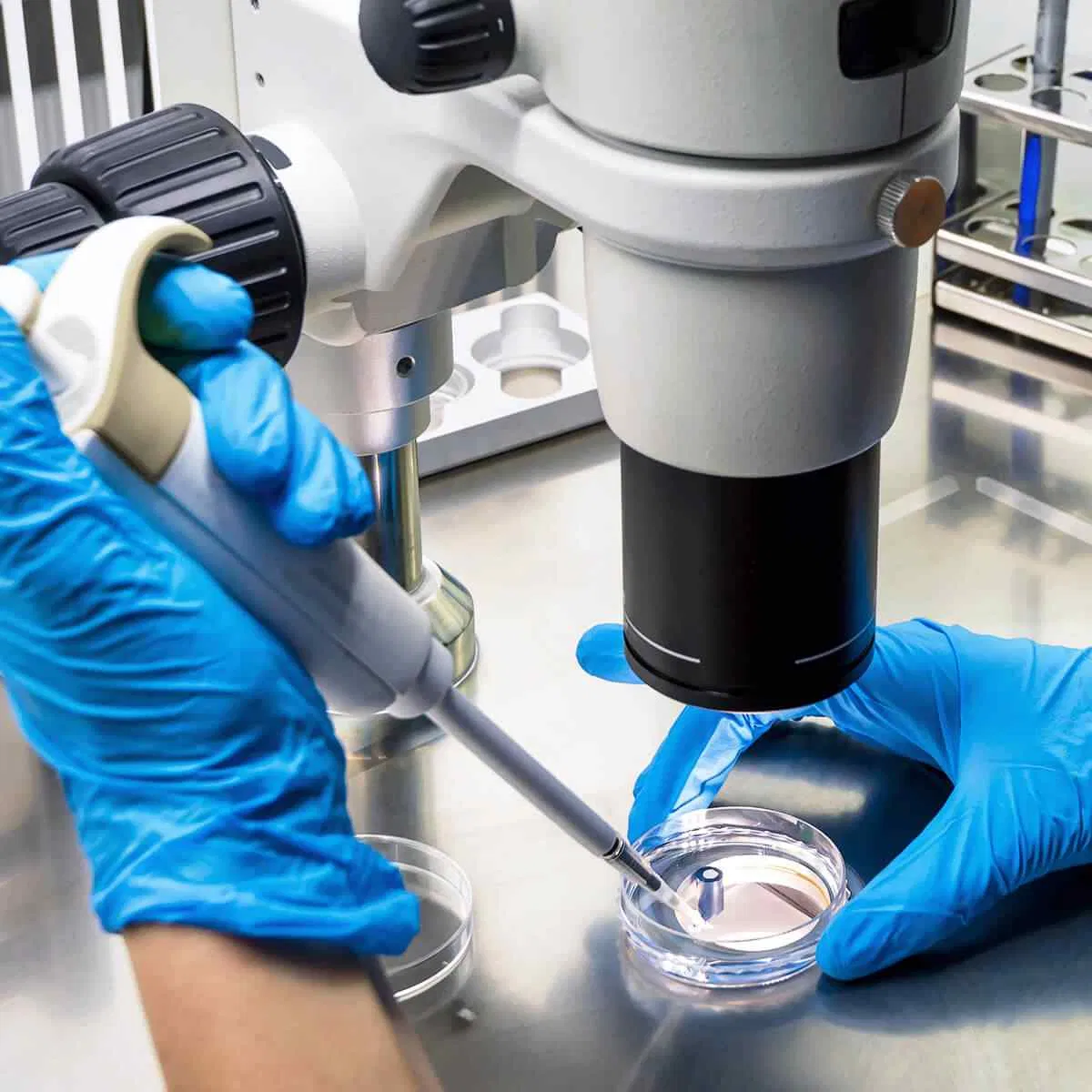
Technical Specifications: The Six-Stage Manufacturing Lifecycle
The manufacturing process is a regulated and structured environment that requires adherence to minute-by-minute timeframes during active production.
- Formulation Audit: A methodical examination of the ingredient list to ensure clinical efficacy and regulatory compliance.
- Ingredient Procurement: The acquisition of raw materials from vetted, GMP-certified suppliers. Branded ingredients often incur a 400% to 1,000% premium over generic alternatives but provide enhanced market positioning.
- Material Verification: Every raw material must undergo a 48 to 96-hour quarantine period for microbial screening and heavy metal analysis.
- Batch Synthesis: The physical blending, encapsulation, or compression of the product. This stage is characterized by high-precision machinery operating within controlled atmospheric conditions.
- Validation and Testing: Finished product testing ensures that the material ecosystem matches the label claims with 99.9% accuracy.
- Packaging and Final Fulfillment: Integration into primary and secondary packaging, followed by label application. Standard labeling procedures are typically executed within a 24 to 48-hour window once labels are received on-site.
The underlying science of these processes often utilizes complex molecular matrices to ensure stability. Understanding these technical foundations is essential for any stakeholder committed to product integrity.

Regulatory Compliance and Quality Assurance Frameworks
In the nutraceutical industry, trust and security are maintained through rigorous adherence to established regulatory standards. The primary framework within the United States is the Current Good Manufacturing Practice (cGMP) regulations, as enforced by the Food and Drug Administration (FDA).
Required Validations
To maintain operational transparency, the following certifications and audits are standard requirements for high-tier manufacturing facilities:
- FDA Registration: Mandatory for all facilities producing dietary supplements for domestic sale.
- GMP Certification: Verification that the facility adheres to 21 CFR Part 111, governing the manufacturing, packaging, and labeling of supplements.
- Third-Party Verifications: Certifications from organizations such as NPA or MOSA (for organic products) provide an additional layer of security for the end-user.
For further information regarding the professional standards upheld by our manufacturing infrastructure, a review of the About Us section is recommended.

Supply Chain Security and Temporal Management
The efficacy of a private label strategy is contingent upon precise temporal management. The typical lead time for a recurring order of an established private label product is 30 to 45 calendar days. However, factors such as raw material shortages or international shipping delays can trigger a hierarchical escalation of lead times.
Strategic inventory management requires a “98-hour reflection period” during the ordering phase to account for potential volume fluctuations and logistical bottlenecks. Maintaining a consistent supply chain is the cornerstone of brand accessibility and consumer trust.
Analytical Evaluation of Packaging Systems
The functional depth of a product is often reflected in its primary packaging. Stakeholders must evaluate packaging based on objective criteria such as barrier protection, shelf stability, and aesthetic alignment.
- Primary Packaging: HDPE or PET bottles, glass vials, or stick packs.
- Closure Systems: Induction seals, child-resistant caps, and pressure-sensitive liners.
- Labeling Integrity: High-fidelity printing that resists environmental degradation and maintains legibility over a 24-month shelf life.

Conclusion: Individual Prerogative in Strategic Selection
The navigation of the private label supplement manufacturing sector requires a sophisticated understanding of both technical specifications and economic variables. While the data presented indicates a clear path toward market entry: characterized by timelines of 6 to 8 weeks and unit costs starting at $0.90: the final selection of a manufacturing partner and formulation remains a strictly individual prerogative.
Success in this material ecosystem is predicated on the integration of clinical precision, regulatory compliance, and strategic fiscal planning. Continued education on industry shifts and manufacturing advancements is accessible through the SolisLabs Blog. The establishment of a robust, GMP-certified supply chain is the fundamental prerequisite for long-term brand stability.