

Hormone-Balancing Supplements for Every Life Stage

The contemporary nutraceutical landscape is witnessing a significant paradigm shift from generalized multivitamin solutions toward highly specialized, life-cycle precision formulations. Recent market evaluations indicate that the women’s hormonal balance supplements sector was valued at approximately $4.50 billion in 2023, with a forecasted trajectory reaching $8.50 billion by the year 2032. This represents a compound annual growth rate (CAGR) of 8.1% over a 10-year projection period. This transition is predicated on a methodical examination of the distinct physiological requirements across varying biological phases, moving away from universal supplementation toward a more granular, data-driven approach.
The demand for targeted intervention is driven by an increasing incidence of endocrine-related conditions, including Polycystic Ovary Syndrome (PCOS), thyroid dysfunction, and the inevitable physiological shifts associated with menopause. As established by the World Health Organization (WHO), the global population of postmenopausal women is expected to reach 1.2 billion by 2030, necessitating a robust infrastructure for the production of evidence-based dietary supplements. Consequently, the industry is prioritizing “material ecosystems” that emphasize clinical data support and ingredient patent certification, which saw a 32% increase in consumer interest within the last calendar year.
The Physiological Dynamics of Premenstrual Syndrome (PMS)
The follicular and luteal phases of the menstrual cycle present unique metabolic and endocrine demands. For individuals within the reproductive age bracket, supplementation often focuses on the stabilization of hormonal fluctuations that contribute to the cluster of symptoms known as Premenstrual Syndrome (PMS). A technical analysis of formulation trends reveals a high concentration of specific micronutrients and botanical extracts designed for menstrual phase regulation.

Key ingredients utilized in the mitigation of PMS symptoms include:
- Chasteberry (Vitex agnus-castus): A botanical extract frequently employed for its capacity to modulate prolactin secretion and influence the corpus luteum, thereby supporting progesterone levels.
- Magnesium Glycinate: This mineral is critical for over 300 enzymatic reactions. In the context of hormonal health, it serves to reduce neuromuscular tension and mitigate water retention associated with the late luteal phase.
- Pyridoxine (Vitamin B6): Often formulated at specific dosages ranging from 50mg to 100mg daily, B6 acts as a cofactor in the synthesis of neurotransmitters such as serotonin and dopamine, which are frequently impacted by estrogen withdrawal.
The integration of these components requires a sophisticated manufacturing process to ensure molecular stability and bioaccessibility. Within a scientific framework, the precision of these formulations is paramount, as even minor deviations in ingredient ratios can significantly alter the efficacy of the final product.
Perimenopausal Transition: Adaptogenic and Endocrine Modulation
The perimenopausal stage, typically occurring between the ages of 45 and 55, is characterized by a “hierarchical escalation” of hormonal volatility. During this interval, which can span several calendar years, the depletion of ovarian follicles leads to erratic fluctuations in estradiol and follicle-stimulating hormone (FSH). The nutraceutical market has responded to this transition with a focus on adaptogenic support and phytoestrogenic compounds.
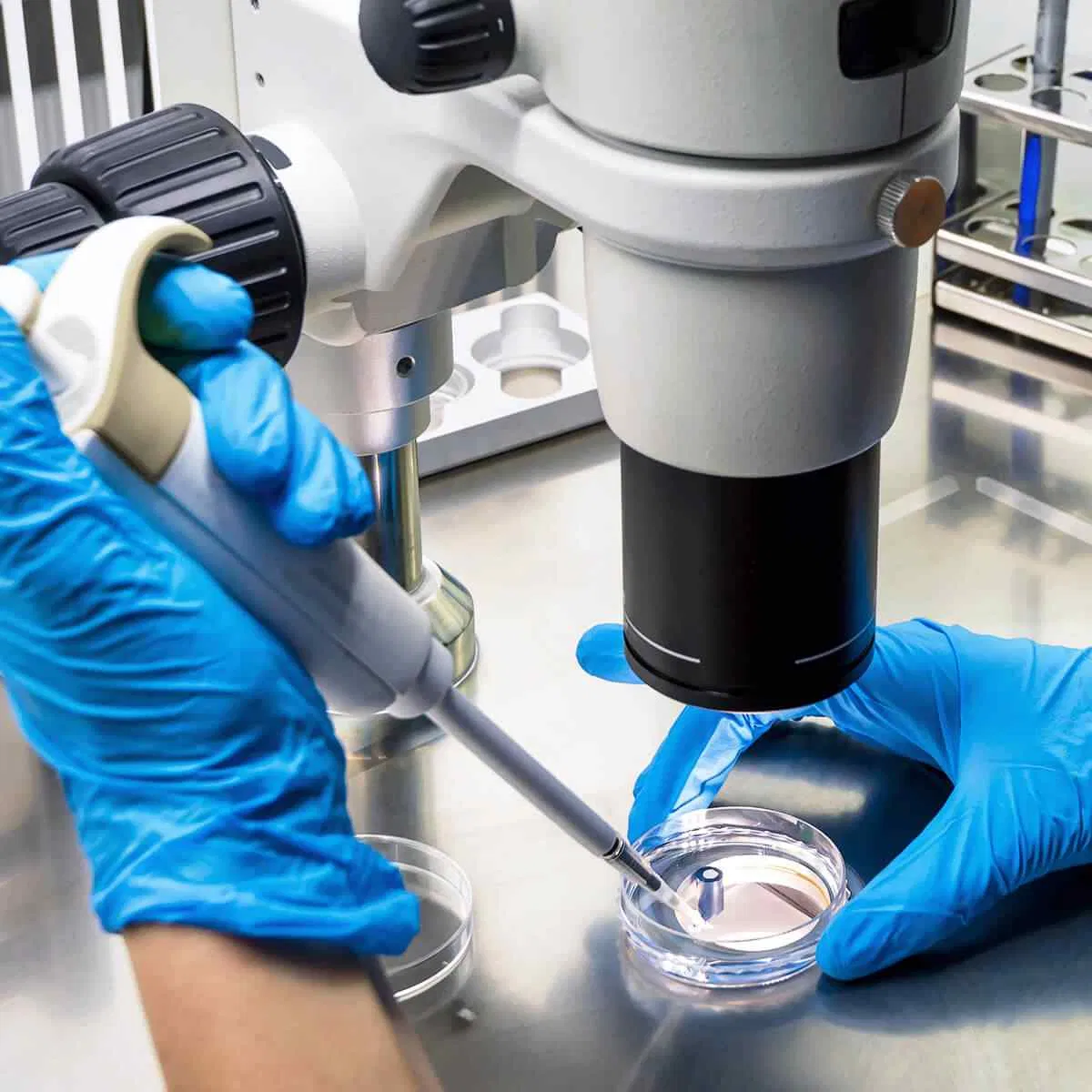
Formulations targeted at perimenopause often utilize adaptogens such as Withania somnifera (Ashwagandha) and Lepidium meyenii (Maca). These substances are evaluated based on their ability to support the hypothalamic-pituitary-adrenal (HPA) axis, thereby moderating the physiological response to stress during a period of neuroendocrine vulnerability. Data suggests that 62% of consumers in this demographic prioritize natural ingredients over traditional hormone replacement therapy (HRT), seeking alternative methods for managing symptoms like vasomotor instability (hot flashes) and sleep disruption.
Furthermore, the “cycle-syncing” nutrition trend has gained traction, where supplementation is adjusted based on a 28-day or irregular perimenopausal rhythm. This methodical approach requires a comprehensive supplement inventory that allows for the modular inclusion of ingredients such as Myo-inositol for insulin sensitivity or Black Cohosh for thermoregulatory support.
Menopause and Post-Menopausal Systemic Maintenance
Menopausal women currently account for 51% of total sales within the hormonal health supplement sector. As the transition to menopause becomes complete: defined by 12 consecutive months of amenorrhea: the focus of supplementation shifts from modulation to structural and cellular maintenance. The decline in endogenous estrogen levels necessitates a rigorous focus on bone density, cardiovascular health, and mitochondrial function.
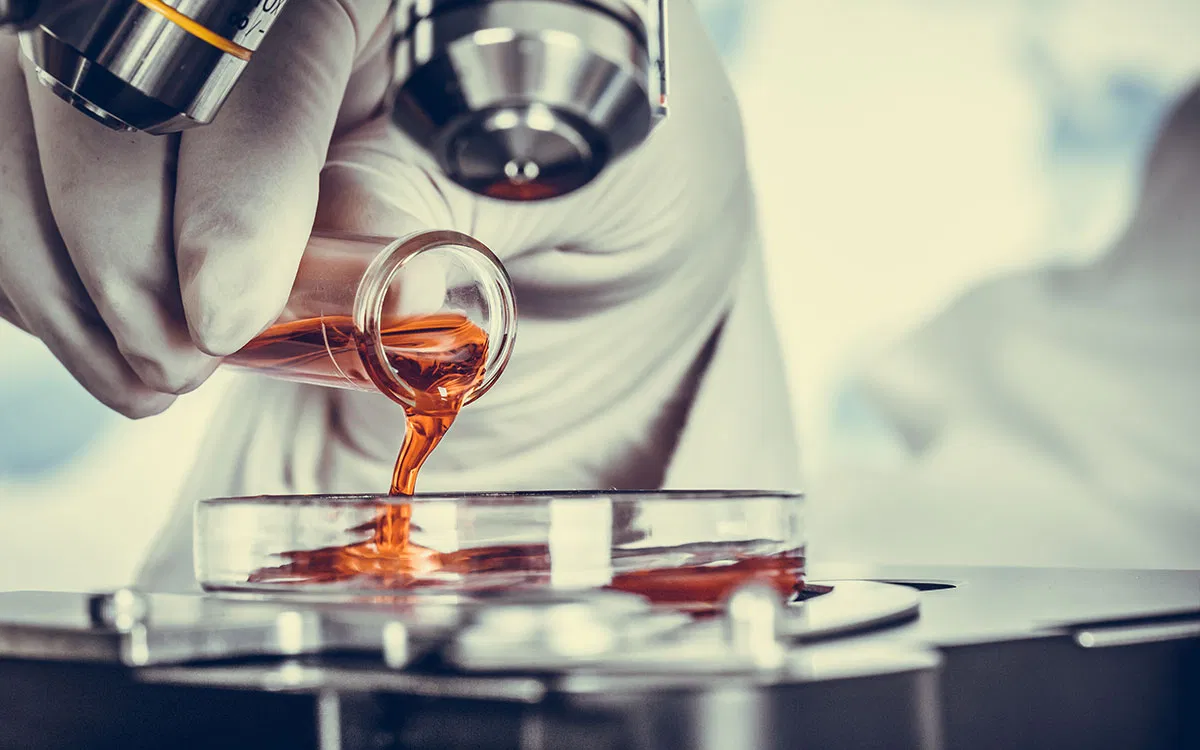
Technical specifications for post-menopausal formulations often include:
- S-estrol and Isoflavones: These compounds target selective estrogen receptor beta (ERβ) activation, providing a nuanced approach to managing low-estrogen environments without the systemic risks associated with non-selective activation.
- Urolithin A: An emerging ingredient focused on mitophagy (the selective degradation of mitochondria by autophagy), aimed at maintaining cellular energy and muscle integrity during aging.
- Vitamin D3 and Vitamin K2 (MK-7): A technical pairing essential for calcium metabolism, ensuring that calcium is directed toward the skeletal matrix rather than the arterial walls.
The production of these high-potency blends requires a controlled laboratory environment where environmental variables are strictly monitored. The use of GMP-certified facilities is a prerequisite for ensuring that these complex formulations maintain their structural integrity throughout their intended shelf life.
Clinical Validation and the Manufacturing Ecosystem
The shift toward “clean-label” and evidence-based products has transformed the manufacturing landscape. Consumers and brand owners alike are moving toward a model of “prior verification recommended,” where the efficacy of a product is backed by empirical data rather than anecdotal claims. This requires a nutraceutical contract manufacturer capable of handling intricate custom formulations.