

The Longevity Leap: Why NMN and NAD+ Are Dominating the Industry

The Economic Trajectory of Cellular Rejuvenation Precursors
The global nutraceutical landscape is currently undergoing a methodical transition toward longevity-focused supplementation, characterized by a significant surge in demand for Nicotinamide Adenine Dinucleotide (NAD+) precursors. Market data indicates that the global NAD+ products sector reached a valuation of USD 3,451.16 million in 2024, with projections suggesting an escalation to USD 12,187.24 million by the termination of 2033. Specifically, Nicotinamide Mononucleotide (NMN) is anticipated to achieve a market valuation of USD 743.35 million by the second fiscal quarter of 2026, manifesting a Compound Annual Growth Rate (CAGR) of 20.2%. This expansion is not merely a transient consumer trend but a structural shift driven by an aging demographic and a heightened focus on preventive biological maintenance.
The Biochemical Mechanism of NAD+ Homeostasis
At the cellular level, NAD+ serves as a critical coenzyme present in all living cells, facilitating fundamental metabolic processes including mitochondrial function and DNA repair. The biological concentration of NAD+ undergoes a systematic decline as the human organism ages, leading to diminished cellular resilience and the onset of age-related physiological degradation. NMN, a direct biochemical precursor to NAD+, has demonstrated empirical efficacy in elevating these levels within the material ecosystem of the body.
Scientific examinations reveal that oral administration of NMN can facilitate a 20% to 40% increase in systemic NAD+ concentrations within a restricted 14-day observation period. This rapid biochemical response supports the activation of sirtuins: a family of signaling proteins involved in metabolic regulation: and the optimization of mitochondrial bioenergetics. The precision with which these precursors modulate cellular health has positioned them as central components in the current “longevity leap.”
Stability and Molecular Integrity: The Manufacturing Imperative
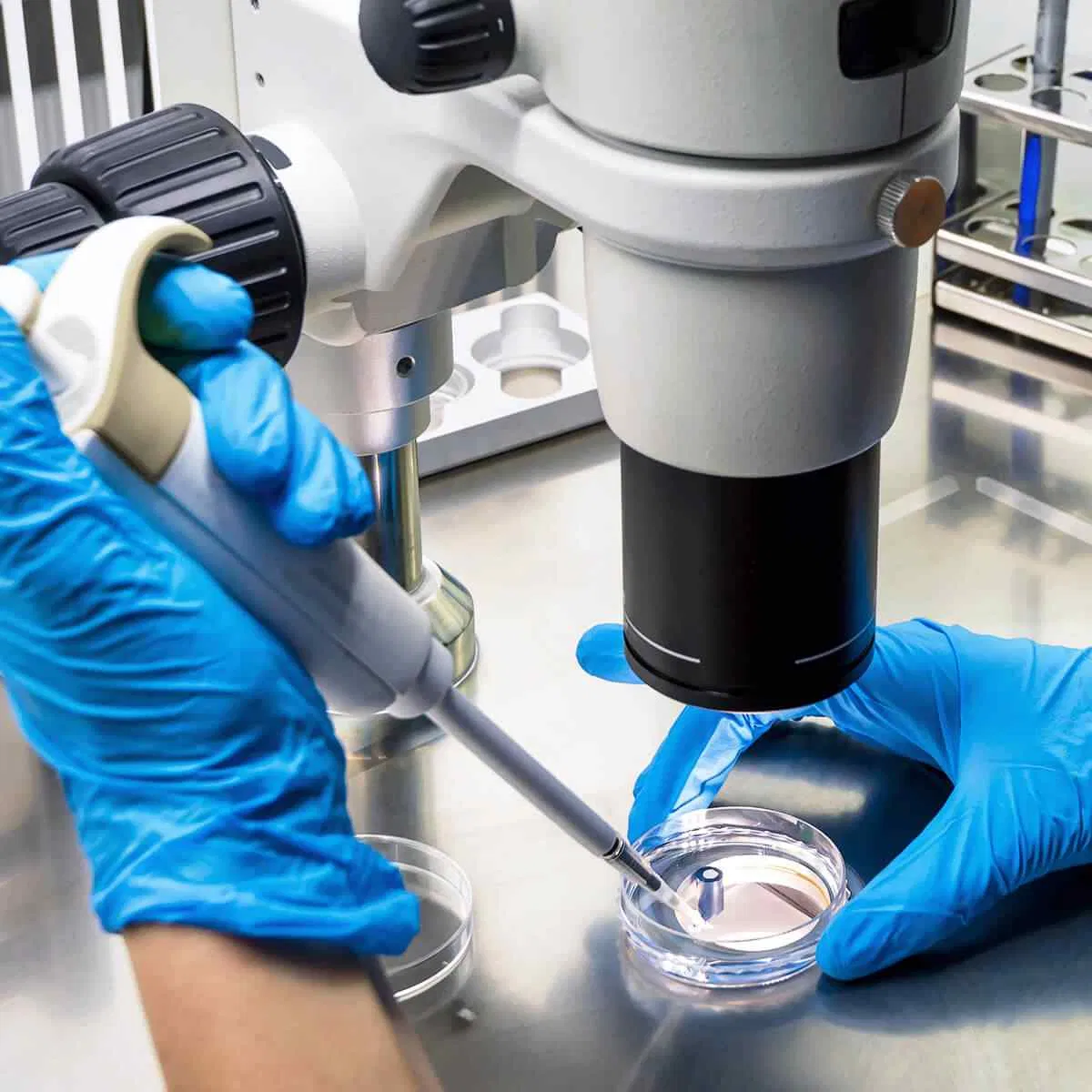
A primary challenge within the NMN and NAD+ supply chain involves the maintenance of molecular stability. NMN is historically sensitive to environmental stressors, including thermal fluctuations and hygroscopic exposure, which can precipitate rapid degradation and loss of functional potency. The manufacturing of these compounds requires a highly regulated environment to ensure that the final product maintains its labeled concentration throughout the duration of its shelf life.
Contract manufacturing entities, such as SolisLabs, utilize sophisticated infrastructure to mitigate these stability risks. The implementation of Good Manufacturing Practice (GMP) protocols within USA-based facilities ensures a rigorous audit trail and material traceability. Stability testing: ranging from accelerated 90-day stress tests to long-term 24-month ambient evaluations: is mandatory to verify that the molecular structure remains intact. Furthermore, the selection of capsule materials and desiccant technologies serves as a defensive layer against oxidative degradation, ensuring that the biochemical integrity of the precursor is preserved from the point of encapsulation to the final consumer interaction.
Strategic Formulation and Synergistic Integrations
The current product landscape is shifting from monocomponent supplements to complex, synergistic ecosystems. Analysis of recent product launches indicates that approximately 22% of NMN supplements introduced in the previous 12-month cycle incorporate secondary functional ingredients. These combinations are designed to enhance the biological efficacy of the primary precursor.
Common synergistic integrations include:
- Resveratrol and Pterostilbene: Polyphenols that act as sirtuin activators, complementing the NAD+ elevation provided by NMN.
- Trimethylglycine (TMG): Utilized as a methyl donor to support the methylation cycle, which can be strained during the metabolism of high-dose NAD+ precursors.
- Apigenin: A bioflavonoid that inhibits CD38, an enzyme responsible for the consumption and degradation of NAD+, thereby preserving systemic concentrations.
The methodical examination of these combinations allows for the development of targeted formulations that address specific physiological outcomes, such as cognitive enhancement or metabolic optimization. SolisLabs’ custom formulation services provide the technical framework required to integrate these various components into a stable and bioavailable delivery system.

Operational Infrastructure and Regulatory Compliance
The transition from a conceptual formulation to a market-ready product requires a hierarchical escalation of quality control measures. Within the United States, regulatory scrutiny regarding NMN has necessitated a more transparent approach to labeling and ingredient sourcing. Ensuring that a product is manufactured within an FDA-registered and NPA-certified facility is a prerequisite for establishing consumer trust and ensuring long-term market viability.
SolisLabs provides an end-to-end manufacturing solution that encompasses ingredient procurement, high-precision blending, and automated encapsulation. The facility utilizes advanced analytical instrumentation to perform identity testing on 100% of incoming raw materials, preventing the introduction of adulterants or sub-potent ingredients into the production stream. This commitment to technical excellence is essential for brands seeking to navigate the complex regulatory environment of the longevity sector.

Economic Feasibility and Market Projections for 2026
For stakeholders and entrepreneurs, the entry into the NMN and NAD+ market requires a methodical assessment of the competitive landscape. With over 600 new NMN-based products entering the market in the preceding fiscal year: representing a 28% increase from the prior period: differentiation through quality and clinical transparency is paramount. The average time-to-market for a custom formulation typically spans 45 to 60 calendar days, contingent upon ingredient availability and stability validation requirements.
Geographically, the Asia-Pacific region currently holds approximately 58.85% of the global market share, driven by extensive research initiatives and a large aging population. However, the North American market is experiencing rapid acceleration due to increased consumer awareness and the expansion of high-end wellness retail channels. The objective criteria for success in this environment include the verification of third-party laboratory results and the adherence to “clean label” standards, such as the exclusion of titanium dioxide and synthetic fillers.
Conclusion
The dominance of NMN and NAD+ within the nutraceutical industry is a reflection of a deeper scientific integration into the consumer wellness sector. The successful deployment of these longevity precursors relies upon a foundational commitment to molecular stability, regulatory compliance, and precision manufacturing. While the economic projections remain highly favorable, the final decision regarding formulation strategies and manufacturing partnerships remains a strictly individual prerogative of the brand stakeholder. Prior verification of manufacturing certifications and stability data is recommended to ensure the longevity of the product within this rapidly evolving vertical.
For organizations seeking to establish a presence within the longevity sector, SolisLabs offers the operational infrastructure required for high-precision supplement production. Detailed inquiries regarding GMP-certified manufacturing and custom formulation may be directed to the official SolisLabs website.