

Functional Fungi: The Mainstream Explosion of Mushroom Supplements

The global nutraceutical landscape has undergone a significant transformation within the 24-month period concluding in May 2026. A methodical examination of market data reveals a substantial migration toward mycological-based solutions, specifically functional mushrooms. As of Q2 2026, the medicinal mushroom sector is valued at approximately US$84.36 billion, demonstrating a compound annual growth rate (CAGR) of 11.64% since the conclusion of 2024. This trajectory signifies more than a transient trend; it represents a fundamental shift in consumer demand toward adaptogenic and cognitive-enhancing material ecosystems.
For businesses and entrepreneurs operating within the health and wellness space, the integration of mushrooms such as Lion’s Mane (Hericium erinaceus), Reishi (Ganoderma lucidum), and Cordyceps (Cordyceps militaris) has transitioned from an niche peripheral offering to a core strategic imperative. The transition is driven by a hierarchical escalation of consumer literacy regarding bio-active compounds, such as beta-glucans and triterpenes, which serve as the primary drivers of efficacy in focus and immunity protocols.
Market Dynamics and The Tripartite Expansion of Mushroom Varieties
The current market environment is characterized by the dominance of three specific fungal species, each occupying a distinct functional niche within the supplement hierarchy.
- Reishi (The Immunity Anchor): Accounting for an estimated 35.7% of the total medicinal mushroom market share in 2026, Reishi remains the primary choice for immune system modulation. Its historical utilization in traditional protocols has been validated by modern analytical techniques, leading to its widespread inclusion in daily wellness regimens.
- Lion’s Mane (The Cognitive Catalyst): Representing approximately 15% of the market, Lion’s Mane has experienced the most rapid growth in the “nootropic” category. Its capacity to stimulate Nerve Growth Factor (NGF) synthesis has positioned it as a critical component in products targeting mental clarity and neurological health.
- Cordyceps (The Metabolic Accelerator): With a 12% market share, Cordyceps is primarily utilized in performance-oriented formulations. Its role in Adenosine Triphosphate (ATP) production makes it a preferred ingredient for energy and endurance-focused dietary supplements.
The convergence of these three species into multi-functional complexes has become a standard industry practice. For entities looking to launch their own supplement brand, understanding the interplay between these varieties is essential for developing a competitive product portfolio.

Delivery System Evolution: From Powders to Sophisticated Formats
While traditional encapsulated powders served as the foundational delivery mechanism for mycological supplements, the market has witnessed a systematic diversification of delivery formats. The “gummy world” expansion is perhaps the most visible manifestation of this shift. As of May 2026, mushroom-infused gummies have seen a 22% increase in market penetration compared to the previous 12-month cycle.
This format expansion is not merely an aesthetic choice but a strategic move toward enhancing user compliance and accessibility. The manufacturing of mushroom gummies, however, requires a high degree of technical precision. Maintaining the integrity of the mushroom extract during the heating and setting phases of gummy production is a complex engineering challenge. SolisLabs, a GMP-certified and USA-based manufacturing facility, employs specialized cooling protocols to ensure that heat-sensitive compounds remain viable throughout the production lifecycle.
The material ecosystem of a successful mushroom product now typically encompasses:
- Dual-Extract Powders: High-potency concentrations used in functional beverages.
- Pectin-Based Gummies: Optimized for consumer convenience and taste masking.
- Liquid Tinctures: Designed for rapid bioavailability and precise dosing.
- Two-Piece Vegetable Capsules: The industry standard for high-volume distribution and shelf stability.
Technical Specifications: The Critical Nature of Sourcing and Extraction
The transition from raw biomass to a high-efficacy supplement is governed by rigorous technical specifications. The efficacy of a mushroom product is directly proportional to its beta-glucan content and the absence of starch-based fillers. Objective criteria for evaluating mushroom quality center on two primary factors: the material source and the extraction methodology.
1. Fruiting Body vs. Mycelium on Grain
A primary point of divergence in the manufacturing sector is the use of the “fruiting body” versus “mycelium on grain.” Independent laboratory audits have consistently demonstrated that the fruiting body: the visible part of the mushroom: contains significantly higher concentrations of beta-glucans and other secondary metabolites. Conversely, mycelium grown on grain (typically rice or oats) often results in a final product that is up to 60% starch. For brands prioritizing clinical efficacy and market trust, the specification of “100% Fruiting Body” is a non-negotiable requirement.
2. Methodical Extraction Protocols
Mushroom cell walls are composed of chitin, a fibrous substance that the human digestive system cannot easily process. To release the bio-active compounds, a methodical examination of extraction processes is required.
- Hot Water Extraction: Essential for extracting water-soluble beta-glucans.
- Ethanol (Alcohol) Extraction: Necessary for extracting non-water-soluble triterpenoids, particularly in Reishi and Chaga.
- Dual Extraction: The integration of both methods to provide a comprehensive profile of the mushroom’s chemical constituents.
The use of specific extraction ratios, such as 10:1 or 20:1, provides a sense of empirical accuracy, signifying that a large volume of raw material has been concentrated into a potent final extract. Prior verification of these ratios through Third-Party Laboratory testing is recommended for all professional brands.
Operational Maturity in Contract Manufacturing
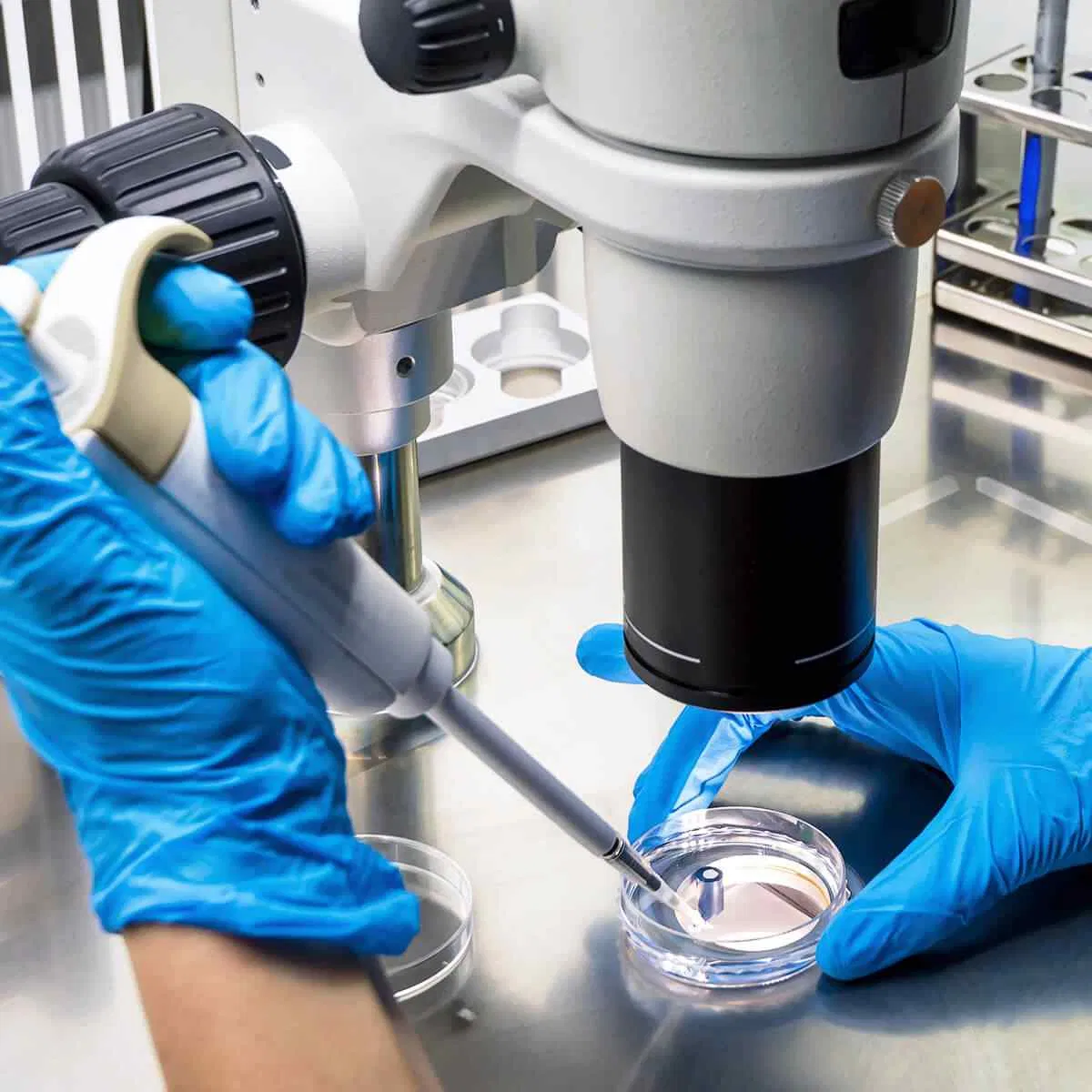
The “Idea to Shelf Journey” for a mushroom supplement requires a partner with deep operational maturity. The complexities of ingredient supply, artwork design, and final manufacturing necessitate a partnership mentality where attention to detail is paramount.
At a facility like SolisLabs, the product development process involves a hierarchical escalation of quality control checks. From the initial ingredient validation to the final packaging and labeling solutions, every step is governed by a commitment to high-quality products. The integration of geometric overlays in design and the use of modern, scientific methodologies in the laboratory ensure that the final product meets the rigorous standards expected by today’s health-conscious consumers.
The manufacturing process for a mushroom-based focus product typically follows a 98-hour reflection period for quality assurance testing post-production, ensuring that the final output adheres to the exact currency of the client’s specifications.

Regulatory Compliance and the Framework of Trust
Trust and security are reinforced through strict adherence to regulatory frameworks. In the United States, this involves FDA registration and compliance with NPA and MOSA certifications. The transparency of the manufacturing facility: evidenced by its willingness to undergo external audits: serves as a primary signal of reliability for prospective brand owners.
Regulatory compliance extends to the labeling phase, where specific claims regarding “cognitive support” or “immune modulation” must be framed within the appropriate legal parameters. The provision of comprehensive end-to-end solutions, from formulation through packaging, allows brands to navigate these complexities with a higher degree of security.
Precision in Formulation: Case Study of a Focus-Driven Ecosystem
Consider a hypothetical formulation designed for cognitive enhancement. The “Material Ecosystem” for such a product might include:
- Lion’s Mane Extract (Dual Extracted, 10:1): 500mg
- Cordyceps Extract (Water Extracted, 1:1): 200mg
- L-Theanine: 100mg
- Bacopa Monnieri: 150mg
The successful integration of these diverse compounds into a single capsule or gummy requires a deep understanding of ingredient compatibility and shelf-life stability. A methodical examination of the interaction between mushroom extracts and other botanical ingredients is a prerequisite for ensuring functional depth.

Conclusion: The Strategic Integration of Functional Fungi
The explosion of mushroom supplements into the mainstream is a data-supported phenomenon, reflecting a 10.3% CAGR projection through 2030. For businesses seeking to capitalize on this growth, the path forward is defined by a commitment to quality extract sourcing, sophisticated delivery formats, and a partnership with a GMP-certified manufacturer.
The decision to enter the mycological supplement market: whether through private label dietary supplements or custom formulations: remains a strictly individual prerogative of the entrepreneur. However, the objective criteria for success are clear: technical precision, regulatory transparency, and a relentless focus on the bio-active integrity of the raw material. As the system of wellness continues to evolve, those who prioritize these core tenets will be best positioned to establish lasting trust within the consumer ecosystem.